

GraphBit
Rust-core, Python-first Agentic AI framework
What is GraphBit?
GraphBit is a high-performance AI agent framework with a Rust core and seamless Python bindings. It combines Rust’s speed and reliability with Python’s simplicity, empowering developers to build intelligent, enterprise-grade agents with ease.
Pros & Cons
Pros
- Python bindings
- Rust core
- High performance
- Production readiness
- Ease of use
- Enterprise-ready features
- Scalability
- Resilience
- Observability
- Multi-LLM orchestration
- Clean API
- Fast performance
- Easy integration
- Memory efficiency
- Cost efficiency
- Low hardware requirements
Tool Details
| Categories | Databases and backend frameworks, AI Infrastructure Tools, LLM Developer Tools |
|---|---|
| Website | graphbit.ai |
| Added | September 14, 2025 |
| Platforms | Web |
| Social | Twitter · LinkedIn · GitHub |
Recent Reviews (11)
When we started building GraphBit, we kept running into the same problem: most AI frameworks looked great in demos but collapsed in production. Crashes, lost context, concurrency issues- all things developers shouldn’t have to fight just to ship real agent workflows. That’s why we built GraphBit on a Rust execution core for raw speed and resilience, wrapped in Python for accessibility. The goal: give developers the best of both worlds, high-performance orchestration with a language they already love. We’ve also been using it across multiple internal projects with great results. What excites me most isn’t just the benchmarks and performance (though 14x faster and zero crashes still makes me smile 😅), but how GraphBit is already being used: - Teams running multi-LLM workflows without bottlenecks - Agents handling high-concurrency systems that used to break other frameworks - Enterprise users valuing observability, retries, timeouts, and guards baked in from day one We’re also proud to say our architecture is patent-pending, because we believe the way agents execute should be as reliable as any enterprise system. This is just the start. We’d love for you to try GraphBit, break it, push it and tell us what to improve. Your feedback will shape where we take it next. — Musa Founder, GraphBit
GraphBit is solving a very real pain point for developers. Most frameworks either give you speed or usability, but not both — and the combination of Rust performance with Python simplicity is a big win. What stands out most is the enterprise-first thinking: observability, crash resilience, and multi-LLM orchestration aren’t afterthoughts, they’re core to the product. That makes GraphBit feel less like another experimental tool and more like infrastructure you can trust in production. If you’ve ever struggled with scaling AI agents, juggling brittle frameworks, or trying to debug in the dark, GraphBit is worth paying attention to. Excited to see where this goes next! 🚀
Started using GraphBit in both personal and enterprise settings, and it delivers what it promises — high performance and reliability. The Rust core handles workloads with surprising efficiency, while the Python bindings make iteration fast and painless. What I appreciate most: production features like observability, safe execution, retry logic, and real monitoring — not just orchestration hype. If you’re serious about scaling AI agents without the usual fragility, GraphBit is one of the most practical frameworks I’ve seen lately.
Often, the most revolutionary ideas are the simplest. Great work by the team. Rust is one of the fastest and most memory-efficient languages, and GraphBit’s Rust core (with Python bindings) really squeezes the most out of the machine. I tried with an early access, and It ran smoothly on my low-spec laptop where other AI frameworks struggled. That efficiency can translate into much lower server costs with better throughput. With enterprise touches like observability, resilience, and multi-LLM orchestration, I’m confident GraphBit will drive wider adoption and make AI more affordable, a win-win for builders and businesses.
I tried GraphBit on both a side project and an enterprise-level application, and it exceeded expectations. Its Rust core with Python bindings delivered outstanding speed and efficiency, running smoothly even on low-spec hardware where other frameworks struggled—directly reducing costs and improving throughput. Integration was effortless thanks to its clean API, and enterprise-ready features like observability, resilience, and multi-LLM orchestration made scaling straightforward. For anyone building AI-driven applications, GraphBit offers the ideal balance of simplicity, performance, and production readiness.
I’ve been using GraphBit and I’m really impressed. The documentation is clear, well-organized, and right on point making it easy to get started right away. I tried building a few workflows and agents, and unlike other frameworks, I didn’t run into any complications. Smooth experience from start to finish. On top of that, the fact that it’s patent-pending makes it feel more trustworthy and reliable compared to others. This is a solid step forward for agentic AI frameworks.
I spent some time using GraphBit after going through the docs, and I’m genuinely impressed. Setup was straightforward, workflows were intuitive, and everything just worked without any unnecessary complexity. It’s clear the team focused on making a developer-friendly, production-ready framework that actually simplifies building agentic AI systems. Open-source and well-documented, this one feels built for real-world use.
I was really delighted with GraphBit after using it for both a personal side project and a corporate assignment. We were able to get the performance we need, while prototyping and integration were made easy by the Python bindings. It achieves the ideal ratio of simplicity to speed. Strongly advised for anyone developing AI agents, whether for business use or for experimentation.
LangChain has strong integrations and CrewAI simplifies orchestration, but GraphBit strikes a balance I haven’t seen yet. The Python bindings give a clean, dev-friendly interface, while Rust guarantees performance under load. It feels like moving from a prototype tool to something production-grade.
What I like about GraphBit compared to LangChain or CrewAI is the underlying architecture. It’s modular, built for scale, and doesn’t hide the complexity - you still get control. The patent-pending design feels like a forward step toward making agent orchestration as robust as microservices.
I’ve used LangChain and CrewAI quite a bit, and while they’re great for prototyping, concurrency often becomes a bottleneck at scale. GraphBit’s Rust core really shines here - async execution feels smoother and safer without the random crashes I’ve run into elsewhere.
Frequently Asked Questions about GraphBit
When did GraphBit become popular?
GraphBit became popular around September 14, 2025.
What are the main advantages of using GraphBit?
The top advantages of GraphBit include: Python bindings, Rust core, high performance, production readiness, ease of use.
What is GraphBit's overall user rating?
GraphBit has an overall rating of 5.0/5 based on 21 user reviews.
What type of tool is GraphBit?
GraphBit belongs to the following categories: Databases and backend frameworks, AI Infrastructure Tools, LLM Developer Tools.
Related Databases and backend frameworks Tools
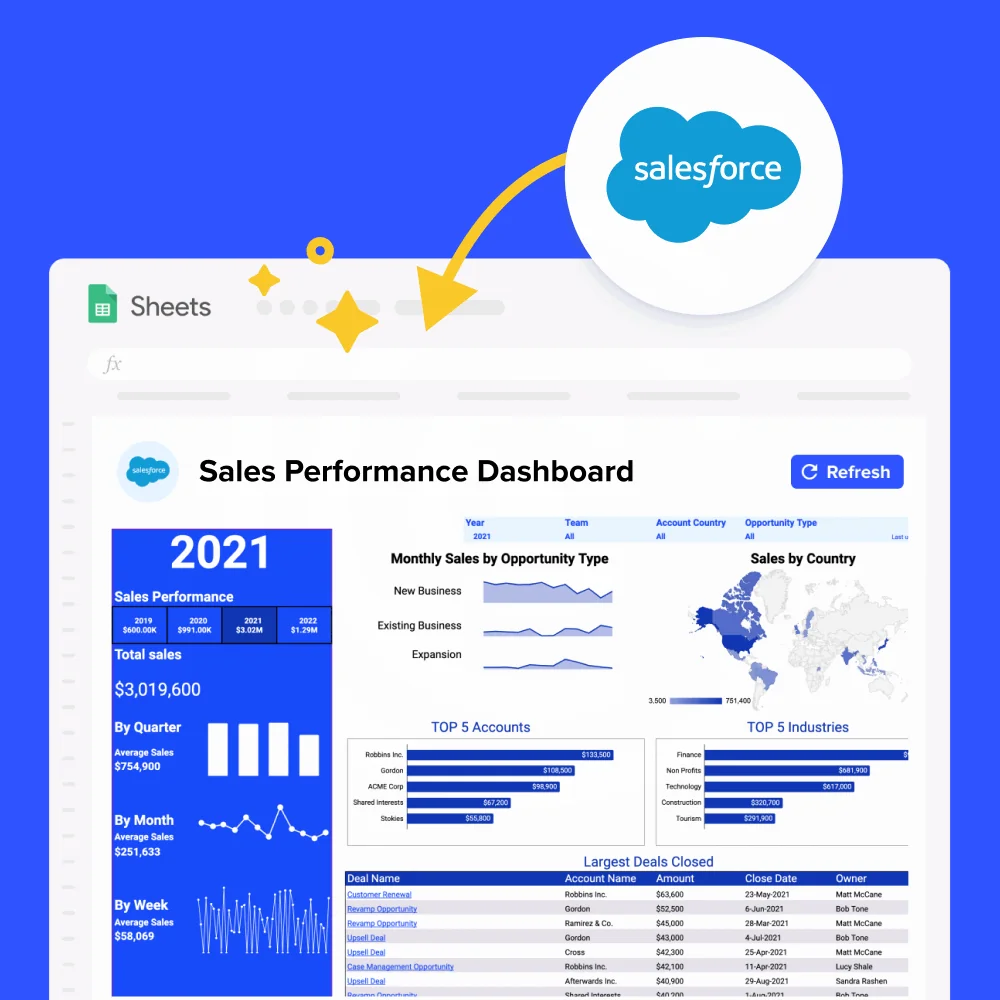
Coefficient.io
Sync Google Sheets with your SaaS systems & DBs in seconds

TablePlus
Database management made easy

Free Access To 9000+ AI Tools Database
The Largest AI Tools Database On The Internet

Hold My Env
Never lose track of your .env files again

Infisical
Helping dev teams sync environment variables

RudderStack
Warehouse Native Customer Data Platform
Related AI Infrastructure Tools Tools

Gaia
No-code tool to train and deploy machine translation models

Portia AI
Build AI agents you can trust in regulated environments

Foqus
Real-time AI vision for business owners

Nitric Deploy
The right infrastructure, auto-provisioned in your cloud

Screenflick
ScreenflickYour AI-powered gateway to cinematic one-liners

AI Summary Helper
Instantly Summarize Web Content for Streamlined Reading
Related LLM Developer Tools Tools

Bridge4Simulator MCP
MCP server that gives AI the ability to use an iPhone

Documentation.AI
Build and update product documentation effortlessly with AI

Doctective
Stop Updating Documentation. We Do It Accurately For You.

Agentset
APIs for building AI chat and search

Yavy
Turn any website into an MCP server for AI

AgentNotch
Real-time AI coding assistant telemetry in your Mac's notch
Compare GraphBit :




Keywords
Don't Get Fooled by Fake Social Media Videos
The world's first fact checker for social media. Paste any link and get an instant credibility score with sources.
Try FactCheckTool Free