

Tailwind CSS
A utility-first CSS framework for rapid UI development
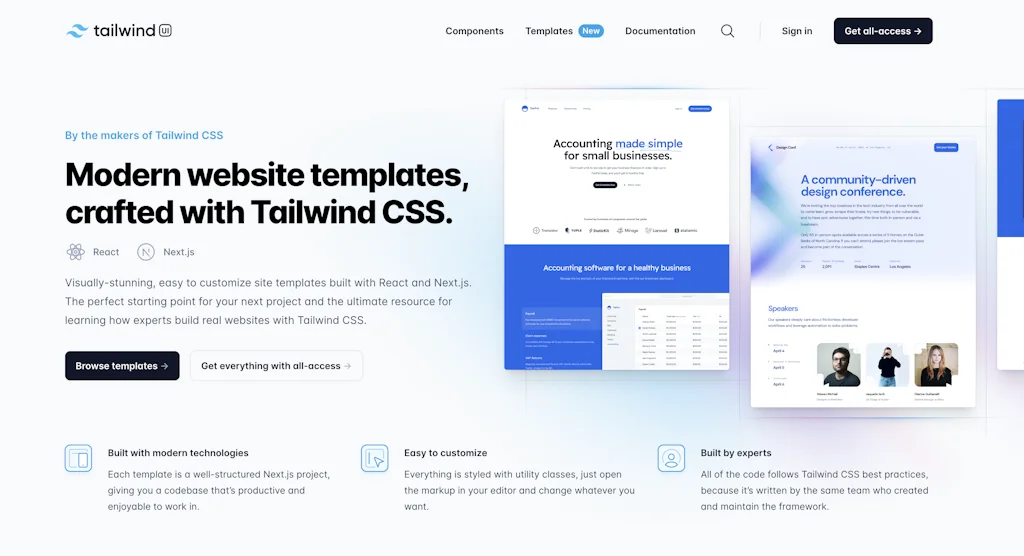

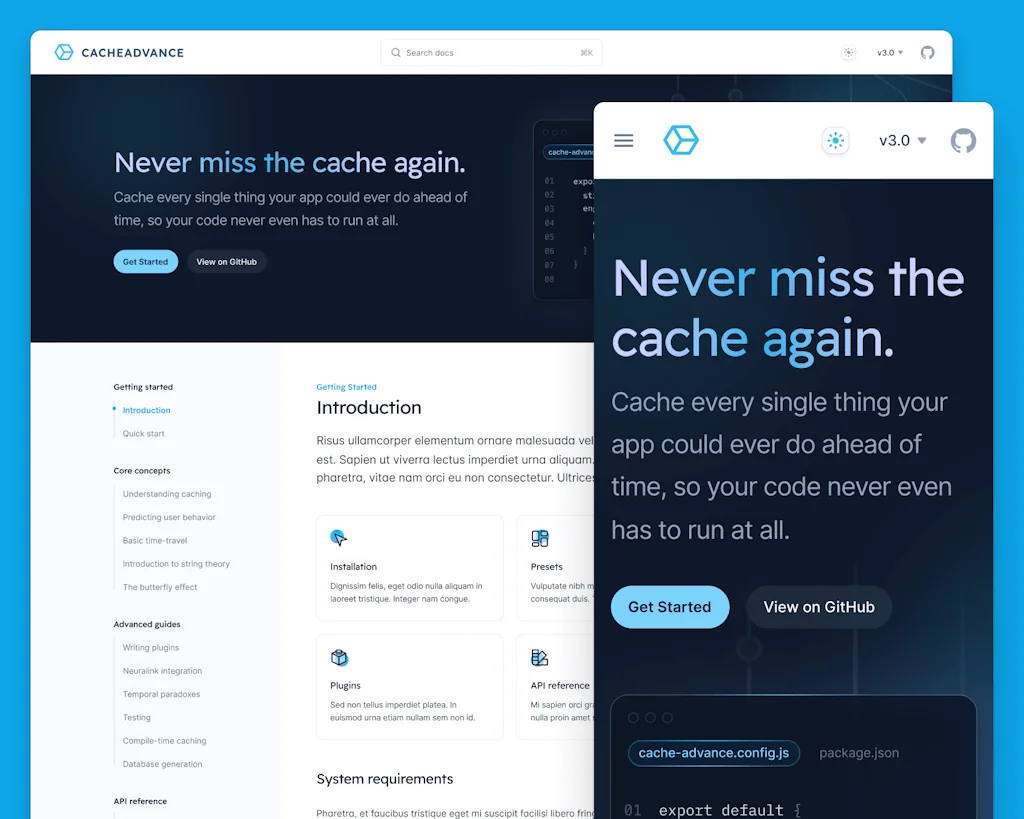
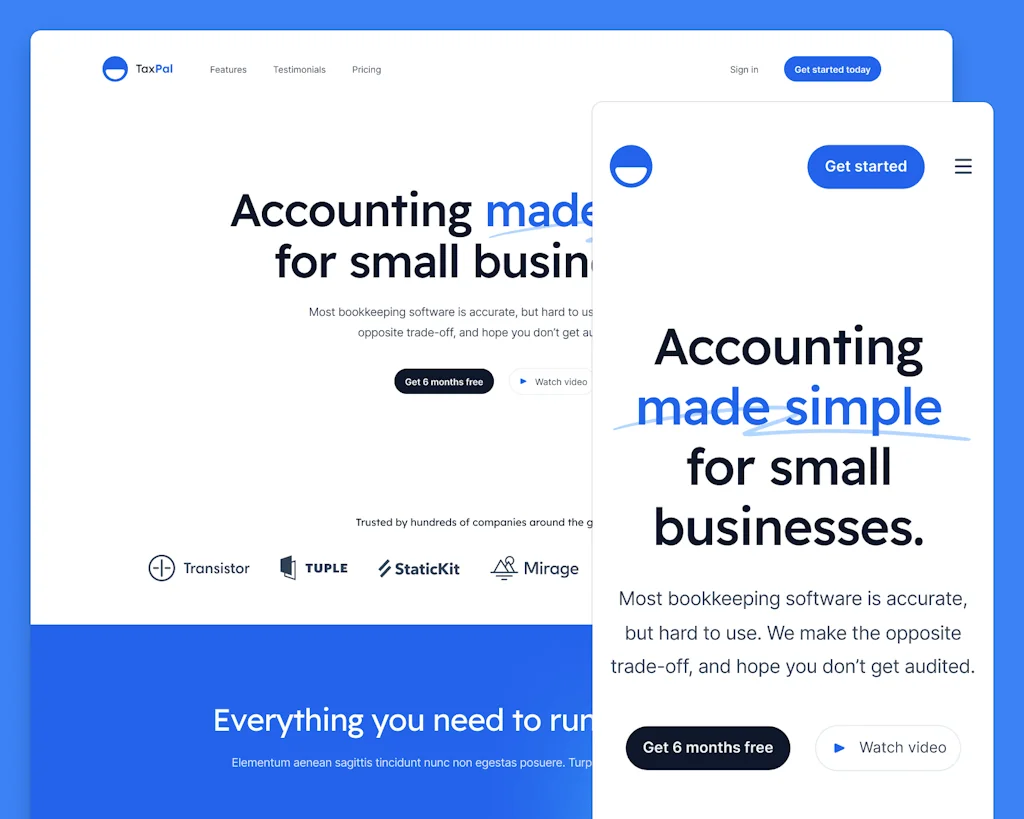
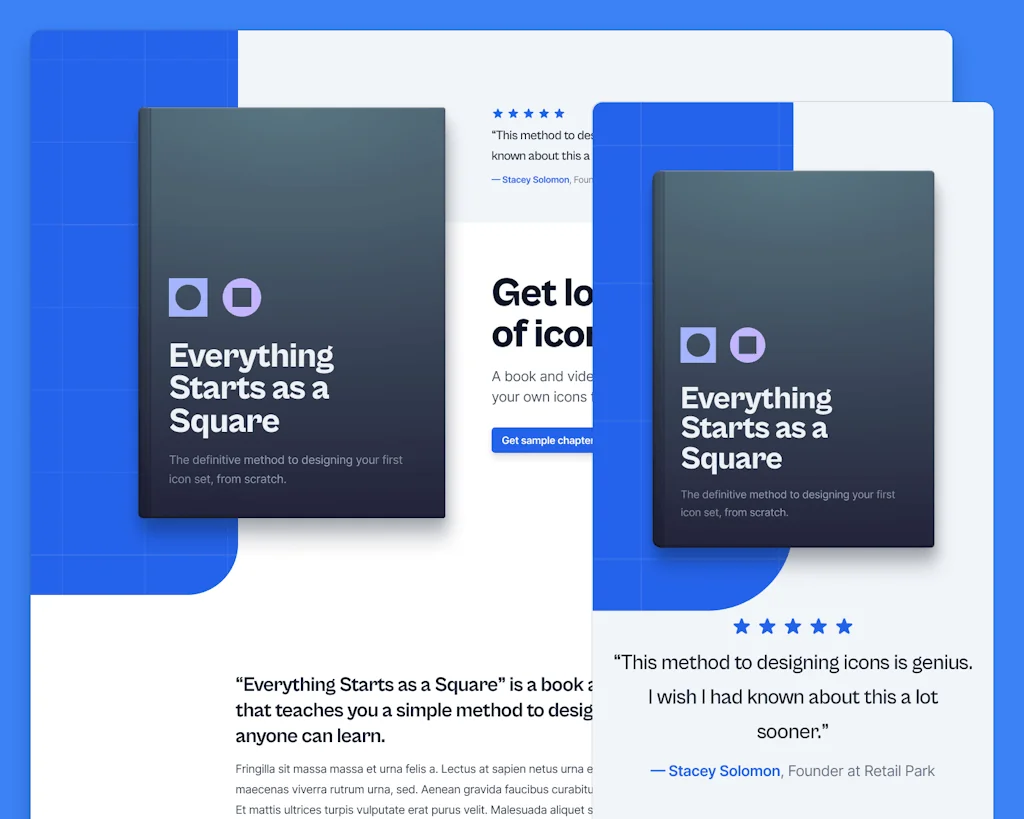
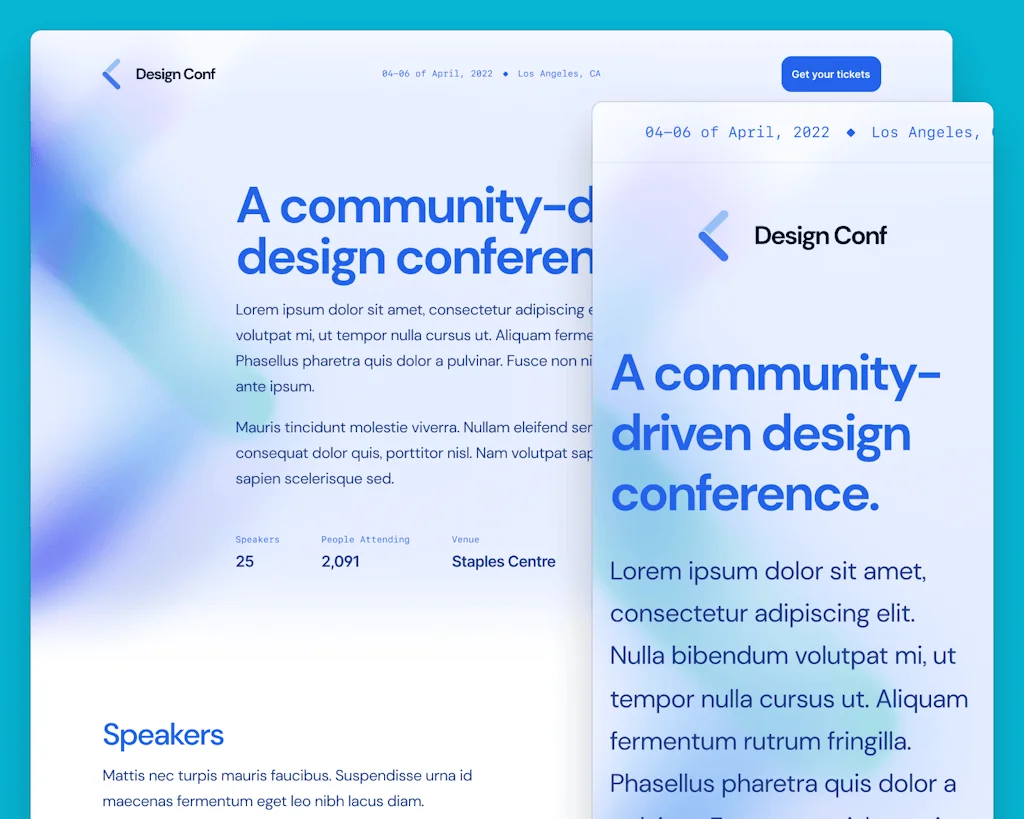
What is Tailwind CSS?
A highly customizable, low-level CSS framework that gives you all of the building blocks you need to build bespoke designs without any annoying opinionated styles you have to fight to override.
Pros & Cons
Pros
- Rapid UI development
- Utility-first approach
- Reduced need for custom CSS
- Customization options
- Consistent styling
- Responsive design
- Flexibility
- Excellent documentation
- Component-based frameworks compatibility
- Fast performance
- Design system support
- Efficient designer-developer collaboration
Cons
- Learning curve
- HTML bloat
- Class name management
Tool Details
| Categories | Interface design tools, Engineering & Development, UI frameworks |
|---|---|
| Website | tailwindcss.com |
| Added | November 1, 2017 |
| Platforms | Web |
| Social | GitHub |
Recent Reviews (13)
We're in the midst of building a complex, high-performance SaaS product alongside its associated marketing website, and TailwindCSS has been a pivotal asset. In my experience, it is one of the few tools with just the right combination of tools that allow for the use of utility classes while still streamlining some parts of the CSS using @apply to maintain consistency. Not only does it facilitate rapid prototyping, but TailwindCSS also makes it a breeze to develop UI components that are both aesthetic and performant. For teams looking to build sophisticated web products without getting bogged down in custom CSS intricacies, I can't recommend TailwindCSS enough. It's a powerful toolkit that delivers on its promise of efficiency and elegance.
TailwindCSS excels by offering utility-first CSS that enables rapid UI development through pre-built classes, eliminating the need for custom CSS. Its purge system ensures minimal production bundle sizes by removing unused styles. The framework provides excellent responsive design tools, customization through a simple config file, and promotes consistent design systems while maintaining full creative control. The utility-first approach also means better maintainability as changes can be made directly in HTML without switching between files.
Utility-first CSS means we build UI 3x faster no context switching between files, no naming fatigue. The consistency across the codebase is excellent, and customization through config makes our design system a breeze. It's become the industry standard for good reason
Tailwind CSS has transformed front-end development at Rubix Studios. For our agency, efficient design and fast iteration are vital, and Tailwind makes both possible. The utility-first approach removes the clutter of custom CSS and lets us style and build consistent, responsive interfaces directly in our markup. The documentation is clear and the customization options fit every brand and project. Working with Tailwind means less context switching and faster workflows for our team. It eliminates naming headaches and lets us create pixel-perfect layouts quickly, whether for internal projects or demanding client sites. We have used plenty of CSS frameworks in the past, but nothing matches Tailwind for productivity and maintainability. It plays nicely with our tech stack and gives us the confidence to ship modern, accessible UIs at speed. If you want scalable design without friction, Tailwind CSS is our framework of choice at Rubix Studios.
In many of my projects, I don't even look at CSS anymore. AT ALL. The framework's utility-first approach and comprehensive documentation make it incredibly easy to style applications without ever writing a single line of custom CSS. The components and documentation surrounding Tailwind CSS are so well-designed that they allow me to release a product in just one day. It's a game-changer for rapid development and has significantly boosted my productivity.
Nice design system using atomic CSS. I like the idea, but I dislike how it clutters HTML. I use it all the time for small projects and mocking up a concept. Their are better alternatives for bigger and more complex projects. However, for smaller things it a huge time saver.
Tailwind CSS is an incredible utility-first framework that has completely changed the way I design interfaces. With its utility class-based approach, I can instantly build responsive, consistent designs directly in HTML without having to write a lot of additional CSS. The documentation is extremely user-friendly, and its customization capabilities make it flexible for projects of all sizes. Tailwind helps me work faster, keeps my code clean, and takes the frustration out of manual style management. For me, it’s the best CSS framework and my go-to choice for designing modern websites.
Great! Easy to use, only issue is dynamic classes are not really supported by the JIT engine, so you'll have to either preload classes for all possible options, or use CSS. Still great overall.
Strong and powerful CSS framework, finally something what could challenge and overthrow Bootstrap. Strong performance and deep configuration possibilities.
When I first started using Tailwind, it felt completely counterintuitive, especially after becoming so comfortable writing raw CSS without needing to look anything up. However, just a day of experimenting with Tailwind completely changed my perspective. It not only significantly boosts my productivity but also makes coding far more enjoyable. Honestly, there's no reason not to use it!
When I first started using Tailwind, it felt completely counterintuitive, especially after becoming so comfortable writing raw CSS without needing to look anything up. However, just a day of experimenting with Tailwind completely changed my perspective. It not only significantly boosts my productivity but also makes coding far more enjoyable. Honestly, there's no reason not to use it!
When we started building BookBerry.club, we needed something that would let us move fast without sacrificing design quality. Coming from a background where I've seen projects get bogged down in CSS maintenance, Tailwind felt like a breath of fresh air.
I used to find Tailwind counterintuitive after getting comfortable with raw CSS. But after a day of experimenting, it completely changed my mind—boosting productivity and making coding much more fun. Now, I can't imagine not using it!
Frequently Asked Questions about Tailwind CSS
When did Tailwind CSS become popular?
Tailwind CSS became popular around November 1, 2017.
What are the main advantages of using Tailwind CSS?
The top advantages of Tailwind CSS include: rapid UI development, utility-first approach, reduced need for custom CSS, customization options, consistent styling.
What are the disadvantages of Tailwind CSS?
Some reported disadvantages of Tailwind CSS include: learning curve, HTML bloat, class name management.
What is Tailwind CSS's overall user rating?
Tailwind CSS has an overall rating of 5.0/5 based on 217 user reviews.
What type of tool is Tailwind CSS?
Tailwind CSS belongs to the following categories: Interface design tools, Engineering & Development, UI frameworks.
Related Interface design tools Tools

Galileo AI
Generate mobile and desktop interface designs with AI

TeleportHQ
Create, Preview, Code, Release
UXPin
The full-stack UX design platform:

Design Foundations
Turn any website into your design system

UI Inspector
A visual CSS editor for your browser

Iconduck
316,125 free open source icons & illustrations
Related Engineering & Development Tools

Ploomber
Open-source framework for modular data science, ML pipelines

Archfy
Simple Way to Visualize Architecture of Your Product

KubeSphere
KubeSphere is an open source container platform
SnippetEase
Free Code Snippet Generator for Bloggers

Punch Down Tools | Termination Tools
FireFold deals on anything Networking, Home Theater, and PC.

IssueHunt
An issue-based bounty platform for open-source projects.
Related UI frameworks Tools

Glassmorphism
A modern CSS UI library based on glassmorphism

Lineicons
Handcrafted SVG Icons for Designers & Developers
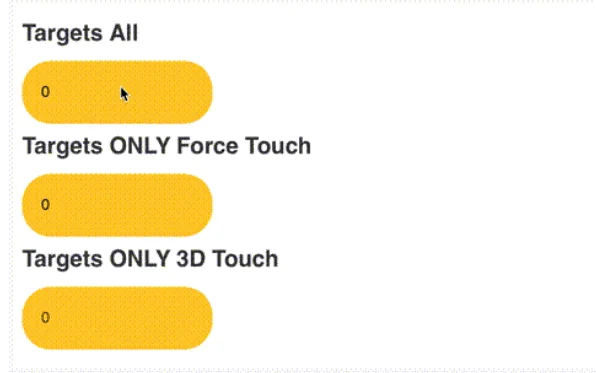
Pressure.js
3D and Force Touch JavaScript library for the web

Syncfusion
The World's Best UI Component Suite

FlyonUI
The Easiest Tailwind CSS Components Library
Anomaly
Subscription-based design studio for early stage founders.
Compare Tailwind CSS :





Don't Get Fooled by Fake Social Media Videos
The world's first fact checker for social media. Paste any link and get an instant credibility score with sources.
Try FactCheckTool Free